A furnace that starts banging, runs longer than it used to, or pushes your gas bill higher doesn’t automatically mean it’s time for a replacement. It might mean a repair will buy you several more good years. Or it might mean the repair is just postponing the inevitable. The challenge is knowing which situation you’re in. That’s harder to figure out when most of the advice online was written for homeowners in Michigan or Minnesota.
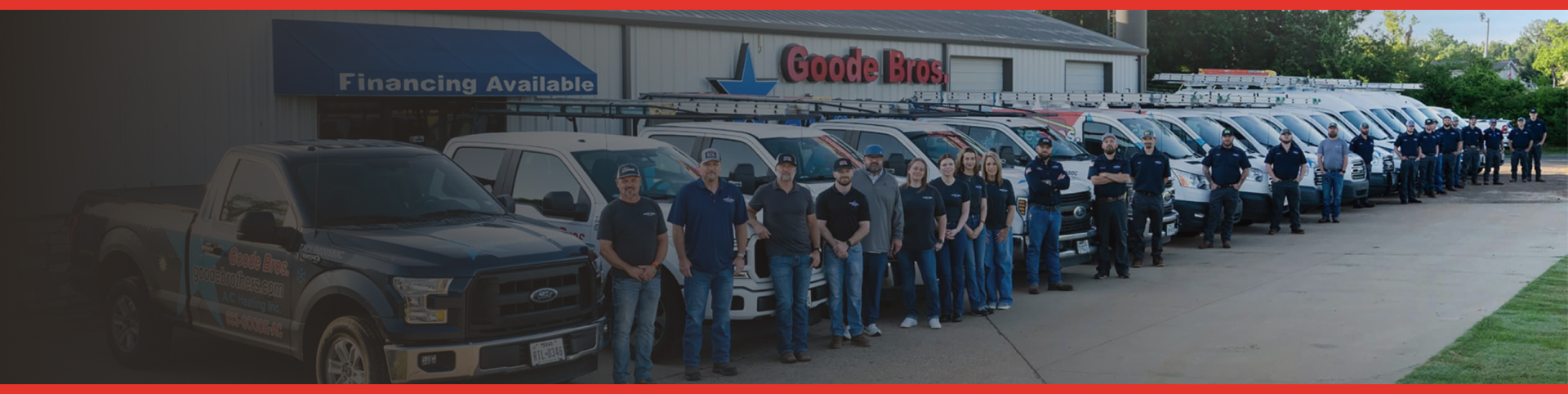
East Texas has a genuinely different heating climate, and that changes the math. A furnace here doesn’t grind through a five-month winter the way one up north does, and that matters when you’re weighing repair against replacement. At Goode Brothers Heating & Air Conditioning, Inc., we’ve been helping Longview homeowners work through exactly this decision for over 25 years, and we’re not in the business of pushing a replacement you don’t need. Here’s what actually drives that decision in this part of the state.
How Long a Furnace Actually Lasts in a Mild East Texas Winter
The standard manufacturer guidance puts furnace service life at 15 to 20 years, a range developed for climates where a furnace runs hard from November through March. Longview isn’t that climate. Average winter daily highs here run around 58 to 61 degrees Fahrenheit, January lows average in the mid-to-upper 30s on the coldest nights, and the area gets roughly an inch of snow per year. A furnace in Longview logs a fraction of the annual run hours one in a northern city accumulates.
Fewer run hours means less mechanical wear per calendar year. A well-maintained gas furnace in East Texas can reasonably reach the higher end of its rated lifespan and sometimes push past it without major trouble. Age still matters, though. Once a unit is past the 15-year mark and starting to show other warning signs, the mild-winter advantage doesn’t make those signs disappear. It just means age alone isn’t a reason to replace a furnace that’s otherwise running well. Electric furnaces generally outlast gas models, often reaching 20 to 30 years, though both types lose efficiency as components wear down regardless of run hours.
Warning Signs That Point to Replacement over Repair
Some warning signs are worth a repair call. Others are telling you something more serious about the system’s overall condition. Knowing the difference starts with knowing what to look for.
Strange Operating Sounds
Banging, screeching, or persistent rattling during a heating cycle isn’t normal. These sounds often point to a failing blower motor or worn mechanical components. In more serious cases, banging can indicate a cracked heat exchanger, the internal component that separates combustion gases from the air circulating through your home. A cracked heat exchanger is a carbon monoxide risk, and it’s not something to repair around. If that’s the diagnosis, replacement is the right answer.
Unusual Smells
A burning-plastic smell when the furnace kicks on, or a persistent rotten-egg odor near the unit, both require immediate attention. A rotten-egg smell typically indicates a gas leak. If you smell it, leave the house and call your gas company before calling anyone else. A burning smell that doesn’t clear after the first heat cycle of the season can point to an electrical or mechanical problem a technician should evaluate right away. Carbon monoxide detectors should be installed in any home with a gas furnace. They’re a first line of defense against the odorless risk a failing heat exchanger can create.
Rising Bills & Uneven Heating
A furnace losing efficiency has to run longer to produce the same amount of heat. You’ll often notice this two ways at once: higher gas or electric bills and cold spots in rooms that used to heat evenly. AFUE measures how much of a furnace’s fuel converts to usable heat. Older units often carry an AFUE of 60 to 70 percent. Modern ENERGY STAR certified furnaces can reach 95 to 98 percent AFUE, meaning nearly all the fuel you pay for actually heats your home. If your furnace is also short-cycling (turning on and off rapidly without completing a full heating cycle), that’s another efficiency signal worth investigating.
The Repair-or-Replace Math
A widely used rule of thumb: if a repair costs 50 percent or more of the price of a new furnace, replacement is usually the smarter financial move. A $400 repair on a system worth $3,000 new is worth doing. An $1,800 repair on that same system is harder to justify, especially if the unit is already past the 15-year mark.
The trickier situation is stacking repairs. A $300 repair in the fall, a $500 repair in January, and another call the following season adds up fast. Each individual bill might seem manageable, but the pattern tells you the system is declining across multiple components rather than dealing with one isolated problem. That pattern, more than any single repair cost, is often the real signal that it’s time to replace.
We offer free estimates for new installations and equipment replacements. That means you don’t have to guess at the math or calculate it from national averages. We’ll look at your system, give you an honest read on its condition, and put real numbers in front of you so you can make the call with actual information.
Why Timing Your Decision Matters in East Texas
Longview’s mild winters can create a false sense of security about furnace timing. Because serious cold is relatively rare here, a struggling furnace can seem like it’s managing fine through most of the season. The problem is that when temperatures actually drop (and East Texas does see hard freezes and ice events even if they’re infrequent), that’s exactly when HVAC companies are at their busiest. Same-day scheduling is harder, wait times are longer, and supply chains for equipment can slow during high-demand stretches. Deciding before the first cold front rather than during it gives you more options: you can compare estimates, think through financing, and schedule on your terms instead of scrambling during a weather event.
We offer flexible financing to make replacement accessible when the timing isn’t ideal financially, and same-day appointments whenever possible for homeowners dealing with an urgent situation. One practical step worth taking regardless of timing: verify that any contractor you’re considering holds an Air Conditioning and Refrigeration (ACR) license from the Texas Department of Licensing and Regulation. Texas law requires HVAC companies to employ a licensed ACR contractor at each permanent business location, and that license is a baseline consumer protection. Goode Brothers Heating & Air Conditioning, Inc. is fully licensed by TDLR and fully insured, and our team takes part in ongoing education to stay current on system advances and installation standards.
Annual Maintenance as the Best Decision Tool
The homeowners who find furnace replacement decisions easiest are usually the ones who already know the condition of their system. An annual furnace tune-up catches developing problems before they become emergency calls, and a technician who has been maintaining your system has the history to give you an honest read on whether a repair makes sense or whether you’re better off putting that money toward a new unit.
Our Comfort Club membership covers annual maintenance and comes with priority scheduling and service discounts, which matters most during those busy stretches when everyone in Longview is calling at once. When we’re already familiar with your system, we can skip the guesswork and get straight to an honest recommendation. If you’re weighing whether to repair or replace before East Texas heating season ramps up, give us a call at (903) 300-1760 and we’ll give you a straight answer.